How to Coordinate Furniture and Appliance Delivery
Moving house can be stressful, but planning your furniture and appliance deliveries in advance makes all the difference. To avoid common moving day headaches, here’s what you need to know:
- Start Early: Create a detailed inventory 6 weeks before moving day. Include dimensions, photos, and receipts for high-value items.
- Measure Everything: Check doorways, hallways, and stairwells at both locations to ensure items fit.
- Book Ahead: Lock in delivery services 4–8 weeks in advance, especially during busy months like February.
- Prepare Appliances: Defrost fridges 2 days before moving and let them settle upright for 4 hours after delivery.
- Hire Professionals: Use certified electricians, gasfitters, or plumbers for installations to ensure safety and maintain warranties.
- Inspect on Arrival: Check items for damage before signing delivery forms.
Preparing for Furniture and Appliance Delivery
Create a Detailed Inventory List
Start your inventory at least six weeks before moving day [3]. A digital spreadsheet, like Google Sheets or Excel, is a great tool to track everything. Break items down by room and include details like condition, receipts, and photos. This is especially important for higher-value items over NZ$1,500, as having a visual and documented record can be crucial if something gets damaged during transit.
For appliances, note specifics like their age, condition, and estimated value. If an item is valued at over NZ$1,500, include its serial number and keep digital copies of receipts. This level of detail can save you a lot of headaches later.
"Creating a detailed inventory can help if anything is damaged or lost in transit." – consumer.org.nz [4]
Don't forget to include technical details. For instance, is your cooktop gas or electric? Does your washing machine need hot and cold water taps? Does your dryer require external venting? These details are helpful when getting quotes from removalists, who generally charge between NZ$120 and NZ$150 per cubic metre in New Zealand. A complete inventory can also help you avoid surprise charges for heavy or bulky items. Once the list is finalised, measure both the items and access points to ensure a smooth delivery process.
Measure Items and Access Points
With your inventory ready, it’s time to confirm dimensions. Measure every piece of furniture and appliance, as well as the clearances of doorways, hallways, and stairwells at both your current and new locations. Pay close attention to the narrowest points and permanent fixtures like radiators, handrails, or light fittings. For staircases, measure the width at its tightest spot (usually between the rail and wall) and check the vertical clearance from the steps to the ceiling [8].
"A single centimetre can be the difference between a seamless delivery and a logistical nightmare." – folders.co.nz [1]
When measuring for appliances, add an extra 5–10 cm to allow for airflow, which helps prevent overheating. For example, when measuring a refrigerator space, check the width at the top, middle, and bottom, then use the smallest measurement. If space is tight, removing a door slab by pulling the hinge pins can give you an extra 5 cm of clearance [7][9].
Plan for Special Handling Requirements
Safe transit isn't just about measuring and listing - it also involves preparing items for the move. Disassemble larger furniture like beds, tables, and couches at least a week in advance. Place all small parts, like screws and bolts, in labelled bags for easier reassembly later.
For appliances, timing is everything. Defrost fridges and freezers at least two days before moving, and allow fridges to settle for four hours after the move before turning them on. Washing machines should complete their final load 24 hours before moving to ensure they’re dry [1][2].
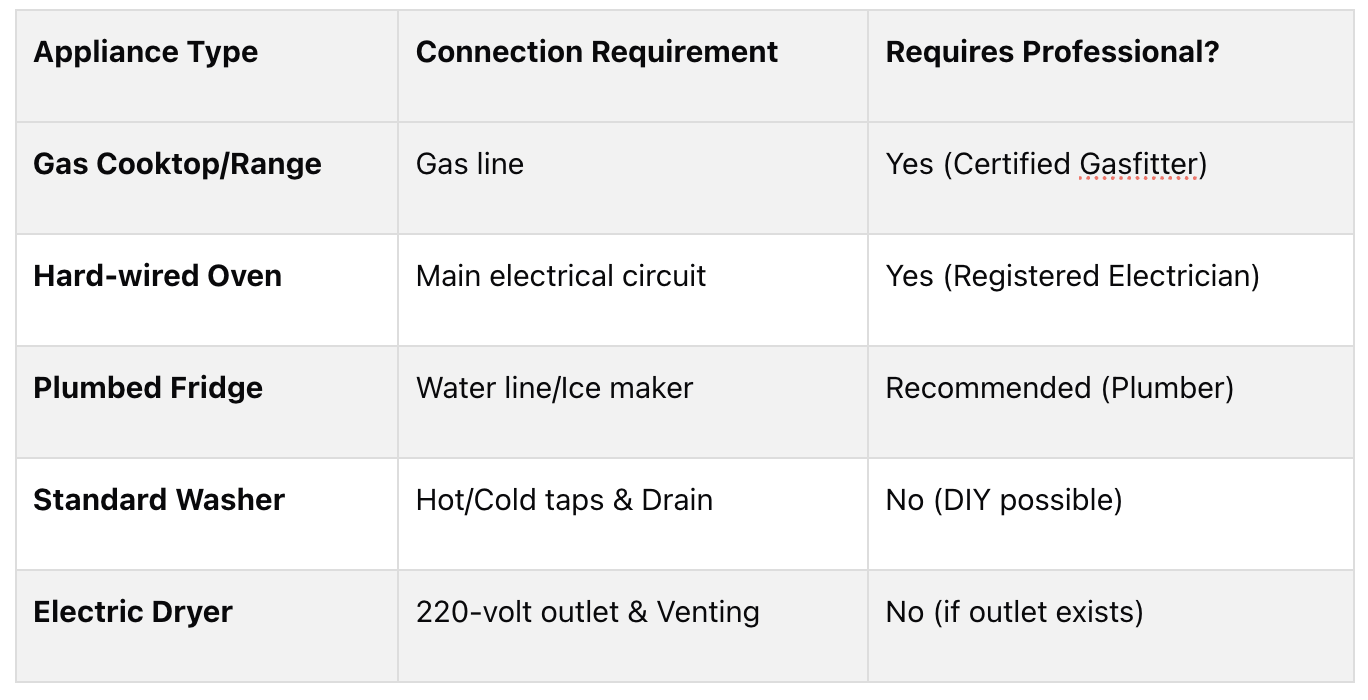
In New Zealand, some appliances require certified professionals for installation. Gas cooktops must be installed by a registered gasfitter, hard-wired ovens need an electrician, and heat pumps should be handled by professional installers [1]. This isn’t just about safety - it’s also necessary for insurance and warranty compliance.
"For any appliance that involves gas, complex plumbing, or hard-wired electricity, hiring a certified professional isn't just a recommendation - it's essential for your safety, your insurance, and your warranty here in New Zealand." – Folders [1]
Choosing Reliable Delivery Services in New Zealand
Compare Services and Pricing
In New Zealand, delivery services cater to a variety of budgets and timelines. For smaller, same-day moves, a "Man with a Van" service is a practical choice. If you're dealing with bulky items like sofas or fridges, specialised furniture movers are more suitable. For larger-scale or long-distance moves - such as transporting goods from Auckland to Christchurch - freight companies are often the go-to option [10].
Costs can vary widely. Removalists usually charge between $120 and $150 per cubic metre [6]. For local deliveries, expect to pay anywhere from $50 to $300, while inter-city moves can range from $150 to $1,200. Shared-load options can help cut costs for longer distances [10]. Always request detailed quotes from at least three providers to avoid surprises. Be aware of potential hidden fees, such as extra charges for stairs, heavy items like pianos, rural mileage, or weekend loading [6]. Double-check whether the quote includes petrol and GST to avoid unexpected expenses [12].
Once you've compared services and pricing, take the time to verify the credentials of your chosen provider to ensure reliability.
Verify Provider Credentials
After narrowing down your options, it’s crucial to confirm the credibility of your chosen delivery service. This step helps you avoid unreliable operators. Start by checking if the business has a physical address listed on Google Maps - this simple check can often expose less trustworthy companies [4]. For larger moves, look for accreditation from organisations like the International Federation of International Movers (FIDI). However, Consumer NZ points out that no specific regulatory body oversees domestic moves within New Zealand [4].
"Online reviews are easily faked and manipulated. Read three or four reviews to get a better sense of a moving company's credibility." – Consumer NZ [4]
Insurance is another critical factor. Standard contents insurance doesn’t usually cover items during loading, unloading, or transit [4]. Under the Contract and Commercial Law Act (CCLA), carriers offer four types of liability: Declared Value Risk, Owner's Risk (which provides no coverage for accidental damage), Declared Terms, and Limited Carrier's Risk, which limits liability to $2,000 per unit of goods [11]. Make sure to confirm the specifics of transit insurance and, for items like appliances, ensure installations are handled by registered professionals. This not only protects warranties but also ensures compliance with New Zealand building codes [1].
Scheduling Delivery and Managing Timelines
Book Delivery Windows in Advance
Once your items are ready to go, the next step is to lock in your delivery schedule. It's a smart idea to plan deliveries for one or two days after you collect your keys. This short buffer gives you time to clean your new home and figure out where everything will go.
"Aim to have your appliances delivered a day or two after you get the keys. This gives you a crucial buffer to get in, have a good clean, and prepare the spaces without delivery drivers trying to manoeuvre a giant fridge around your stacks of boxes." – Folders.co.nz [1]
Delivery windows often work as flexible timeframes rather than specific hours. For moves within Auckland or Wellington, you might get a same-day window. But for longer moves, like Christchurch to Queenstown, expect delivery windows spanning a few days. As Mike Marshall from FreightWaves puts it, "On time in long-distance moving often means within the agreed delivery spread, not at 9 a.m. on a specific date."
Before you book, double-check any building restrictions and secure permits if needed. Many apartment buildings have specific moving hours and may require you to reserve lifts well in advance. For city centres with limited parking, you’ll likely need to apply for temporary parking permits through your local council. Tight access or missed permits could cause delivery delays, so it’s worth addressing these logistics early. This step ties in nicely with your earlier planning around inventory and measurements.
Plan Appliance Setup Timelines
Getting your appliances delivered is just the first step - many require professional installation. For example, gas cooktops need a certified gasfitter, and hard-wired ovens should be installed by a registered electrician. Ideally, book these professionals at the same time you arrange delivery, aiming for the same day or the next.
Some appliances also need settling time before use. If your fridge was transported on its side, let it stand upright for at least four hours (overnight is even better) before plugging it in. This allows the internal fluids to redistribute properly. For washing machines and dishwashers, run a test cycle to check for leaks after installation. While most installations take about an hour, keeping a four-hour window open can help you handle any unexpected issues. Make sure any professional installations align with your delivery schedule to avoid unnecessary delays.
With your deliveries and setups planned, you’ll be well-prepared to tackle delivery day without a hitch.
Packing and Protecting Furniture and Appliances
Once your delivery schedule is sorted, it’s time to focus on keeping your belongings safe during the move.
Use Protective Materials
Choosing the right materials can make all the difference in ensuring your items arrive unharmed. For fragile surfaces, glassware, and small appliances, bubble wrap offers dependable cushioning [13][15]. When it comes to larger pieces like sofas, tables, and desks, moving blankets are excellent for shielding against scratches and dents [14][15].
To secure the blankets and protect upholstery from dirt and moisture, wrap them with plastic or shrink wrap [14][15]. However, avoid leaving items in plastic wrap for extended periods, as trapped moisture can lead to mould or mildew [15]. Use double-walled cardboard boxes to pack items and limit each box to a maximum of 15 kilograms to maintain durability [17]. Seal boxes with industrial-grade packing tape, but never apply tape directly to furniture - it can leave residue or damage finishes [16].
Before wrapping, clean your furniture and appliances, as dust or debris can cause scratches during transit [15]. For mirrors or glass tabletops, place masking tape in an "X" pattern across the surface to minimise shattering risk if they’re bumped [14]. Secure appliance cords with cable ties, and wrap detachable cords in paper before attaching them to the appliance [16].
Pack Items by Room or Category
Packing systematically by room can save you a lot of hassle later. Label each box with its destination and contents - specific labels like "Kitchen: Pots & Pans" work much better than vague ones like "Kitchen" [17][3]. Taking photos of your cupboards, shelves, and wardrobes before packing can also make it easier to recreate your setup in the new space [18].
"If you're loving your current set up and want to replicate it in your new home, take photos of your cupboards, shelves, wardrobes, draws etc. so you can easily set things up once you unpack." – Clare Gregory-Jones, Owner, Move by Design [18]
Another helpful tip is to use colour-coded stickers on boxes to indicate their destination in the new house - this allows movers to place them in the right spots without constant direction [18]. Pack an "Open Me First" box with essentials like tools, chargers, toiletries, and snacks to get you through the first day or two [19][3]. If you’re dismantling furniture, store screws and small parts in sealed bags and tape them to the item or place them in a clearly labelled "parts" box [18][2].
These strategies not only make moving day smoother but also simplify the unpacking process.
Consider Professional Packing Services
For added peace of mind, professional packing services can be an excellent option. They’re especially useful for heavy, bulky items like three-seater sofas, solid wood dining tables, or washing machines. Professionals can save you from physical strain and reduce the risk of damage [21]. High-value items like large-screen TVs, collectibles, and fine china also benefit from expert handling - they have the right materials and the expertise to pack these securely [19][21]. While it might take two inexperienced people 4–6 hours to load a moving truck, professionals can often do it in just two hours [21].
"Try to see professional installation not as an extra cost, but as an investment. It's peace of mind. You're guaranteeing the job is done right, which protects both your expensive new appliance and your new home." – Folders.co.nz [1]
Professional packers are also essential for appliances that require certified installation. Certified professionals ensure safety and compliance with New Zealand’s building codes [1]. When hiring, ask if their service includes tasks like unboxing and removing packaging materials such as cardboard and polystyrene [1]. To save time and reduce costs, you can disassemble self-assembled furniture beforehand, especially chipboard items that are more fragile during transit [20].
Delivery Day Management and Post-Delivery Setup
After all your planning, delivery day is where everything comes together. To keep things running smoothly, designate a single point of contact for the delivery crew. This avoids confusion and keeps everything moving efficiently.
"Choose one decision-maker. If two people give different placement instructions, the crew loses time and mistakes increase." – Mike Marshall, Shipping Expert, FreightWaves [5]
Coordinate Loading and Unloading
When loading, place heavier items near the front of the truck, closest to the cab, to ensure balanced weight distribution. Use clearly labelled signs or tape to indicate which room each item belongs to. At your old property, set up a "Do Not Load" zone for items you'll be transporting yourself.
During unloading, start with smaller boxes to clear pathways and make room for larger items. Place heavy furniture and appliances directly in their intended spots to save time and effort later. If you're dealing with tight doorways, you might need to temporarily remove doors or hinges to create more space for oversized items.
Inspect Delivered Items
As your items are unloaded, shift your attention to inspecting them. Never sign the delivery docket until you've unboxed and thoroughly checked each appliance. Signing for a sealed box can complicate claims if you discover damage later.
"Before you even think about signing the delivery docket, get that appliance unboxed. Have a good look over it while the delivery team is still there." – Folders.co.nz [1]
Look for any dents, scratches, or other signs of damage. Confirm that the model numbers match your receipt and check your inventory list as items come off the truck. If you find any damage, take photos while the delivery crew is present, note the issues on the delivery form, and also check your walls, floors, and banisters for any marks caused during the move.
Set Up Appliances and Furniture
For appliances like fridges that have been tilted during transit, let them stand upright for a while before plugging them in (refer to earlier setup guidelines). Ensure there’s at least 5–10 centimetres of space around fridges and dryers for ventilation. For dishwashers and washing machines, run a short, empty cycle immediately after installation to check for leaks.
In New Zealand, gas appliances must be installed by a licensed gasfitter, and hard-wired appliances like ovens require a registered electrician to meet warranty conditions and building regulations. If movers disassembled furniture like beds or tables during the move, they usually handle reassembly as well. Prioritise setting up the most essential rooms first - bedrooms, followed by the bathroom and kitchen - to make your space functional as quickly as possible.
How Movinghub Simplifies the Process
Once you've nailed down your delivery schedule and sorted on-site logistics, the next step is making the rest of your move as smooth as possible. That’s where Movinghub steps in, offering a streamlined, all-in-one solution.
Coordinating furniture and appliance deliveries can feel like juggling too many balls at once - different vendors, tight deadlines, and endless phone calls. Movinghub simplifies this by bringing everything together on one platform. With access to over 20,000 service providers and experience in managing over 1.9 million moves worldwide, the platform takes care of everything, from comparing removalists to organising utility connections [22][23].
Use Movinghub's Free Moving Services
Say goodbye to the hassle of endless comparisons and phone calls. Movinghub lets you manage everything from one dashboard. You can:
- Arrange utility connections.
- Compare and book removalists or truck hire.
- Update your address with key agencies.
- Even shop for new furniture - all from one place.
Timing is everything when it comes to moving. For example, booking utility connections at least 30 days before your move ensures your power and gas are ready when your appliances arrive. This is crucial for items like fridges and washing machines that need to be set up immediately. Plan to disconnect utilities the day after you move out and connect them the day before you move in - this cushion gives you room for any last-minute changes.
Conclusion
Getting furniture and appliances delivered doesn’t have to be a headache if you plan carefully. Start with the basics: measure your spaces (and don’t forget to allow extra room for ventilation), make detailed inventory lists, and schedule professional movers or delivery services well ahead of time - ideally six to eight weeks in advance, especially during busy periods like summer. Follow manufacturer instructions to prep your appliances, and keep screws and small parts organised in clearly labelled bags attached to the corresponding furniture. These steps lay the groundwork for a stress-free delivery.
On the big day, take your time inspecting each item before signing off and test appliances to check for any issues like leaks. For fridges, let them stand upright for at least four hours - overnight is even better - before plugging them in. And when in doubt, hire certified professionals to handle installations safely and maintain your warranties. From careful preparation to double-checking details, every effort helps ensure your move goes off without a hitch.
FAQs
What should I do if a fridge won’t fit through the doorway?
If your fridge won't fit through the doorway, there are a few tricks to try. Start by removing the fridge doors or panels - this can temporarily reduce its size just enough to make it through. You can also tilt or angle the fridge carefully to manoeuvre it through tight spaces, but be sure to prioritise safety and plan ahead.
For extra space, take out any removable parts inside the fridge, like shelves or drawers. And if you're still struggling, reaching out to professional movers can be a smart move - they'll know how to handle oversized items without causing damage or risking injury.
How do I make sure my move is insured in New Zealand?
To make sure your belongings are covered during a move, start by reviewing your home and contents insurance policy. Pay close attention to its exclusions and benefits to see if it includes protection for items in transit. If it doesn’t, you might need to arrange additional transit insurance.
It’s also a good idea to document your belongings before the move. Take photos or videos of your items to record their condition in case damage occurs. If something does get damaged, contact your insurer as soon as possible to report it.
Keep in mind that under the Contract and Commercial Law Act, compensation for loss or damage is often limited unless you’ve arranged for higher coverage. By planning ahead and understanding your insurance options, you can reduce risks and ensure your possessions are properly protected.
Who do I need to hire to install gas or hard-wired appliances?
When installing appliances like gas stoves or hard-wired electrical devices, it's crucial to hire a licensed professional - such as a gasfitter for gas-related installations or an electrician for electrical work. This not only ensures the job is done safely but also guarantees compliance with local regulations.